Summer content ideas for B2B businesses

Photo by Belinda Fewings on Unsplash

Summer meant slimmer issues of the B2B commercial property magazine I worked on, as more of our subscribers were on holiday.

But we still produced weekly issues with some seasonal, lighter or different features.

One I remember was a ‘favourite film’ survey of property CEOs and managing directors. It was fun and showed a different side to the industry leaders’ personalities.

The choices also became a talking point.

We also used summertime as a hook to look at usually unexplored commercial property markets such as seaside towns and holiday parks.

There were lots of tourist and holiday-related property angles to explore.

While the summer was a slightly quieter time for the property industry, not everyone was away.

And people perhaps had more time to read.

There are also those who might not completely switch off while they are away and might spend a bit of time catching up with some reading.

So don’t discount the Summer period and stop publishing blogs, articles and LinkedIn posts completely.

There is still an audience and a potentially more easily engaged audience.

It’s also a good time to try some different content, perhaps ahead of the autumn period.

Here are some Summer B2B content ideas:

💡 Is there a particular Summer related problem or challenge clients have that you can cover in an article or series of articles?

💡 Do you get certain types of enquiries over the summer that you could write about?

💡 Do a summer-themed survey of clients and/or staff as a lighter get-to-know-you piece, e.g. favourite holiday destination, ice cream flavour, best summer film etc.

People’s choices and favourites often make a fascinating read, and humans are naturally curious.

💡 Use summer events as hooks for market-related content; here are some property examples:

  • Staff summer party – the value of bars with terraces
  • Staff fun day – piece on leisure-tainment
  • Sporting events – sport venues and impact on regeneration

💡 Building designs that make the most of sunny weather

💡 Safe working on developments during hot weather

💡 How your business manages workloads during the holidays

💡 What the summer is like for your business (it might be a busy time).

What are your Summer content plans?

Want content tips, ideas and inspiration delivered directly to your inbox every month? Sign up for the B2B Content Clinic newsletter

More content goodness you might like to read:

Writing LinkedIn posts: 3 different styles of opening lines

Photo by Nik Shuliahin 💛💙 on Unsplash

The first two lines of your LinkedIn post are critical for stopping the scroll and drawing readers in.

If it’s boring and doesn’t grab attention or intrigue, people will scroll on by.

There are many ways to write an attention-grabbing opening line on a LinkedIn post. Here are three examples using this post I wrote about the dangers of relying too heavily on one social platform.

1. My original opening line

What would you do if you couldn’t post to one or more of your social media platforms?

It happened to me recently.

I started with a question that would (hopefully) give pause for thought and intrigue – ‘What would I do?’ ‘How does my strategy compare?’ etc.

Followed by the start of a personal anecdote to add to the intrigue and make it relatable.

2. Less direct/conversational

I could have gone for something that didn’t involve ‘you’, which I know makes some B2B content creators a bit itchy because it’s more conversational and direct:

Continue reading “Writing LinkedIn posts: 3 different styles of opening lines”

Adding value to B2B business news updates on LinkedIn

Photo by Greg Bulla on Unsplash

LinkedIn recently changed its algorithm to shift the balance from ‘clickbait’ content to more meaningful posts.

This article gives a good explanation, but to boil it down, it seems the algorithm is looking for relevancy and meaning through knowledge and advice.

Now you should never write purely for the algorithm (that way, madness lies). But this change is a good reminder to ensure your content, whether on LinkedIn or elsewhere, offers value to your target audience.

If you use LinkedIn to post news and business updates, it’s an opportunity to enhance those stories to make them stand out.

Here are some value-add ideas using B2B built environment businesses as the reference point:

Leasing deal announcement

Content value-add ideas:

  • What does the deal say about current market conditions?
  • If it fits or bucks a particular occupier trend
  • Anything you learned working on the deal or any surprises

Development milestones (planning, topping out, completion etc)

Content value-add ideas:

  • Talk about what the particular milestone means
  • How does this development fit into the broader market/what does it represent
  • Any lessons learned from the process so far
Continue reading “Adding value to B2B business news updates on LinkedIn”

Another word I’d like to ban from B2B copy

Photo by Ian Schneider on Unsplash

There’s another word that needs to join ‘passionate’ and ‘delighted’ on my banned B2B vocabulary list.

It gets used in B2B business copy a lot:

Solutions.

I saw a press release about a ticketing company recently that described itself as providing ‘ticketing solutions’.

And an office fit-out company that offered ‘workspace solutions’.

Solutions, as used like this, suggests an answer to an unidentified problem.

But what is the problem? How do I know what you are solving?

It’s meaningless. Puff.

And that is amplified because it’s hideously overused.

Continue reading “Another word I’d like to ban from B2B copy”

What makes a clickable headline

A piece of paper in a type writer which has the word 'news' written at the top.
Photo by Markus Winkler on Unsplash

People will decide whether to click on a story or article based on the headline.

You could write a brilliant article, blog post or press release, but if the headline doesn’t ‘sell’ the content to your target audience, it won’t matter.

Think of all the headlines you scroll past vs what you click on to read.

Headlines are so important that some national newspapers and magazines have specialist writers called sub-editors to create them.

So what makes a clickable headline?

Different styles work for different types of content, but the key is creating some intrigue or tapping into an emotion or need.

Headlines also need to give enough information so that the reader knows what they’ll get from reading on.

Here are four headline examples and a breakdown of how they work:

1. Pique interest news headline

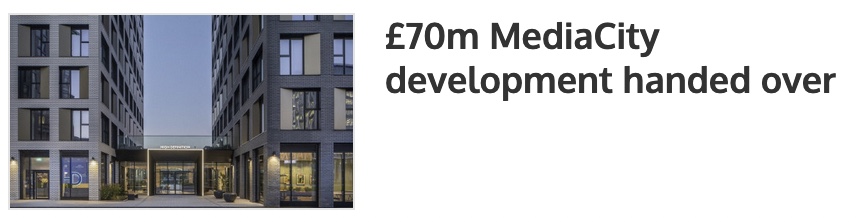
This headline, from the North West Business Insider, tells the reader enough, so they know what the story is about but leaves out certain information to help create curiosity.

It tells the reader that it is a development deal, the size of the deal and where it is. What it doesn’t say is who was involved in the deal, the type of development and the details of the transaction.

To find that information, the reader has to click through to the story.

News headlines are a balancing act. Reveal too much, and there is no reason to click through; reveal too little, and curiosity isn’t pricked.

2. Challenge or surprise headline

Presenting a statement in a headline that is incongruous with common thinking or trend is a great way of getting people clicking to read on.

This headline on a LinkedIn article by Daniel Paulusma creates different levels of intrigue depending on your views of hybrid working.

It appears to challenge the thinking of advocates of hybrid working, potentially highlighting something they’ve missed: Am I wrong? ‘What is the evidence?’

Continue reading “What makes a clickable headline”